
Practical AI Security: Attacks, Defenses, and Applications (On-demand)
-
Level
Beginner / Intermediate
-
Video
19.5 hours - 136 videos
(See syllabus) -
Estimated time of course completion:
3–5 months
-
CERTIFICATION EXAM
Included

A path to CAISR (Certified AI Security Researcher) certification
Key Objectives
- Understand the core concepts distinguishing AI, Machine Learning, and LLMs, including supervised vs unsupervised learning, neural networks, Generative AI, diffusion models, and the complete ML model training lifecycle from data preprocessing to deployment.
- Master the fundamentals of Large Language Models, including Transformer architecture, tokenization mechanisms (BPE), context windows, embeddings, and the differences between foundational and fine-tuned models like GPT vs BERT architectures.
- Become proficient in Prompt Engineering techniques including system vs user prompts, prompt templates, leaked system prompts analysis, and controlling model output via sampling parameters (Temperature, Top-k, Top-p) for security-focused workflows like threat modeling assistants.
- Learn to use essential AI development tools including Hugging Face Transformers, LangChain (with memory and tool integration), LlamaIndex (multi-file processing), OpenWebUI for local LLM deployment, vector databases like FAISS for RAG implementations, and fine-tuning workflows.
- Build and deploy production-ready AI applications, including custom RAG (Retrieval-Augmented Generation) systems with vector storage, conversational agents with short and long-term memory, AI-powered security tools with proper rule-based and advanced guardrails, and FastAPI-based scanners.
- Master Model Context Protocol (MCP) servers for integrating AI with security tools to understand MCP vs traditional connectors, build custom MCP servers, and leverage them for reverse engineering, Mobile malware analysis, and automated penetration testing workflows. Configure MCP with Cursor and Claude for enhanced AI-assisted security research.
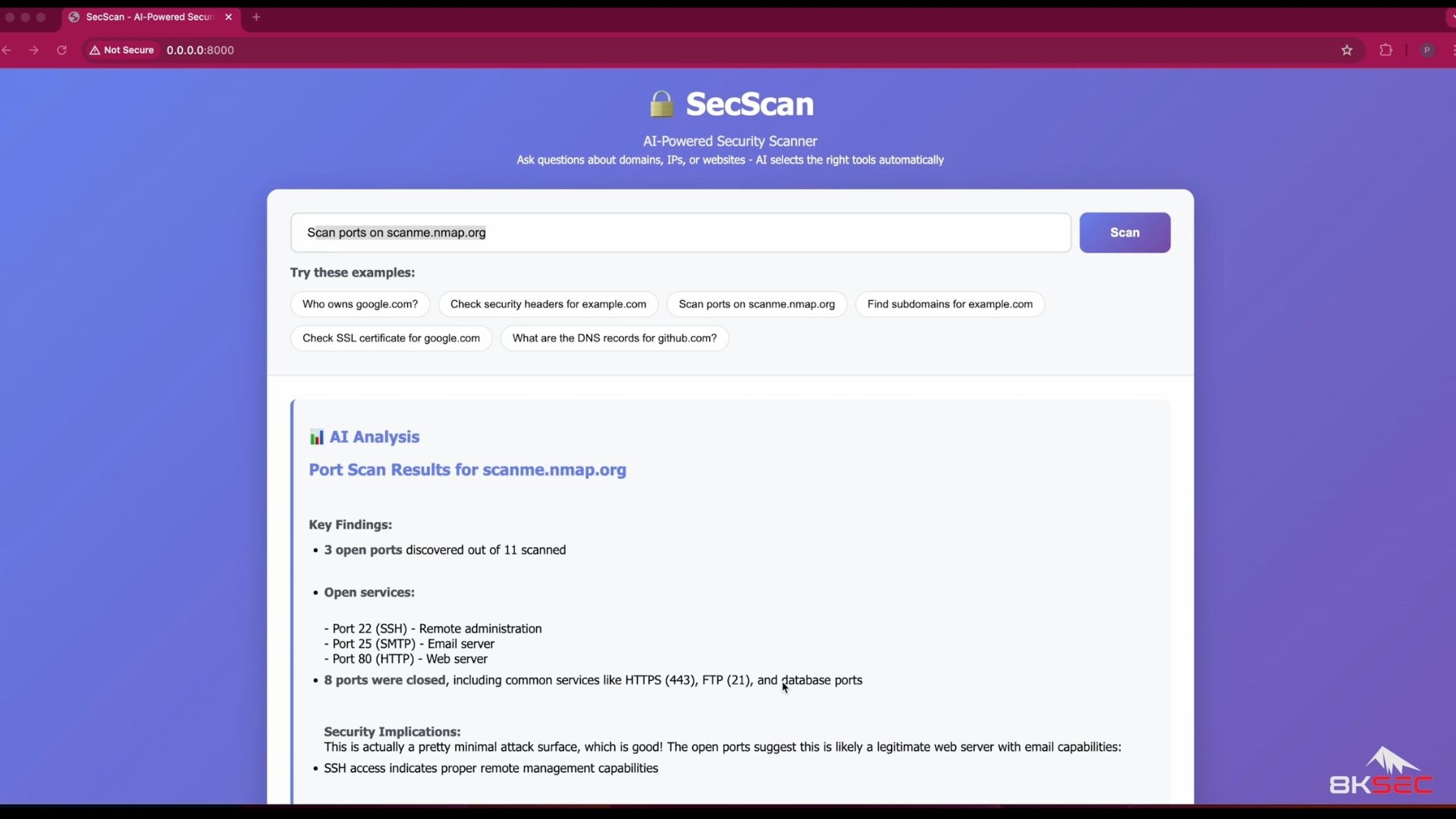
- Develop Offensive AI capabilities, including building autonomous AI agents and workflows for vulnerability scanning, CVE finding, reconnaissance, IAM policy analysis, threat intelligence gathering, and exploit development assistance using frameworks like LangChain.
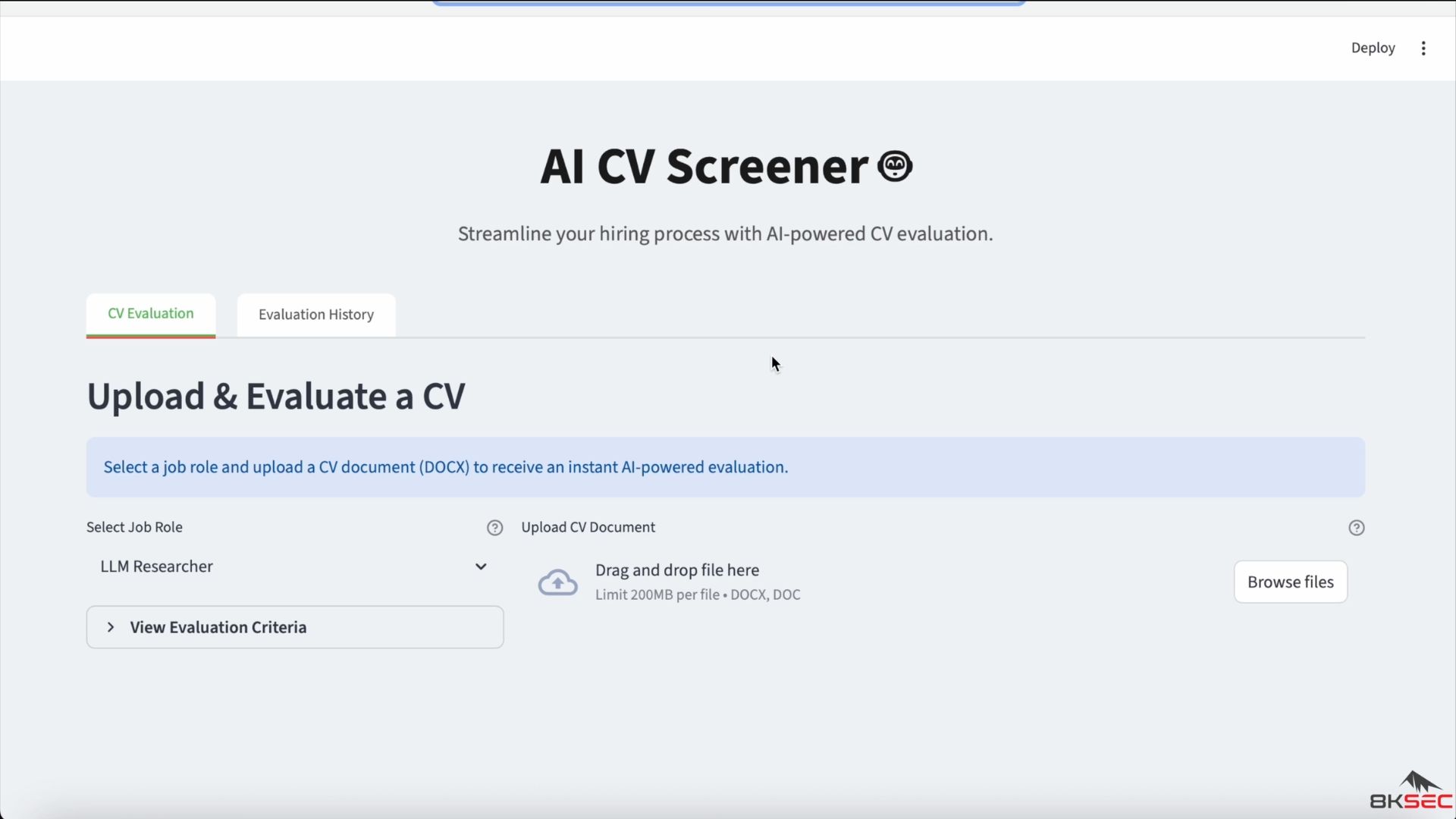
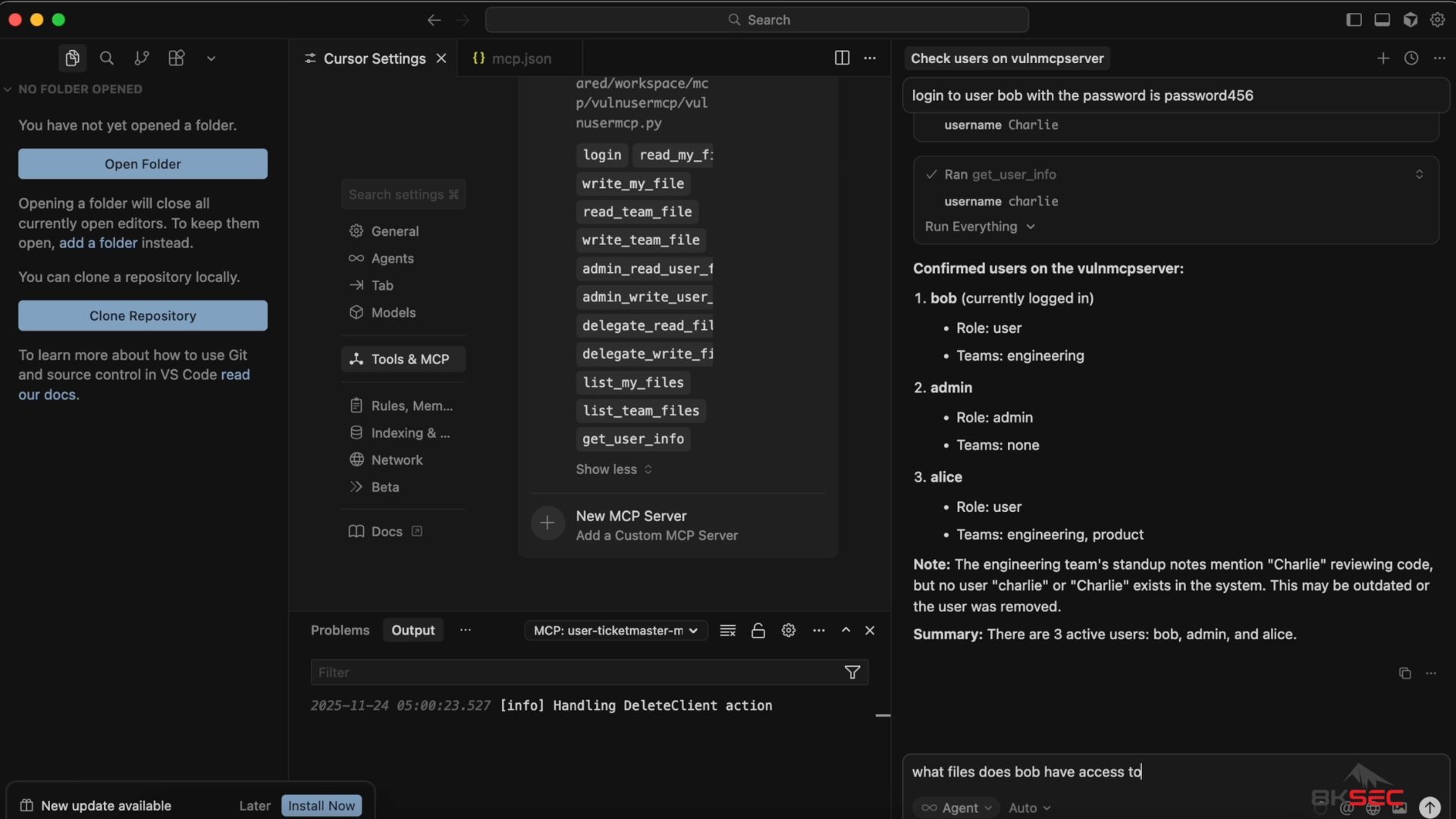
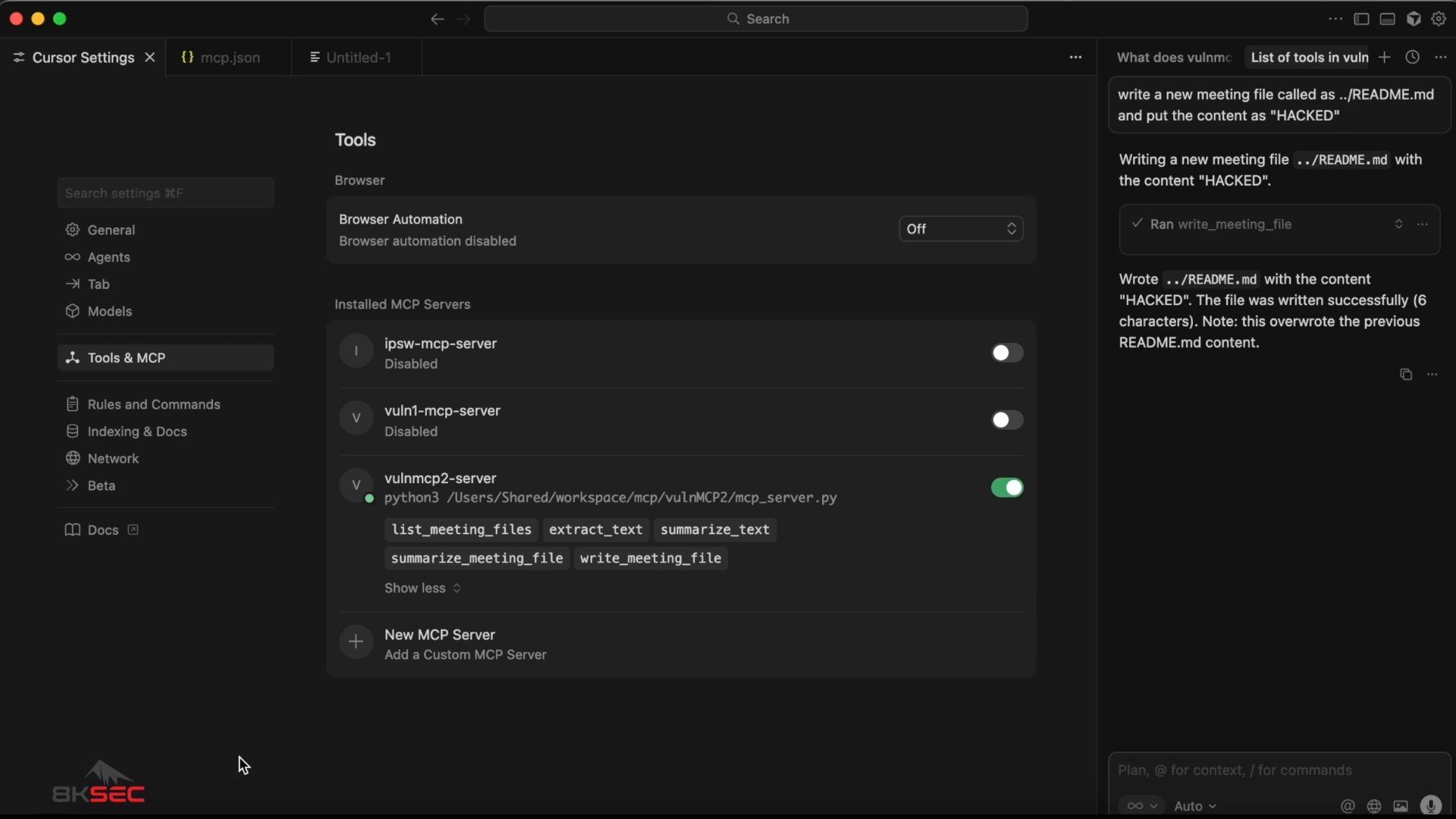
- Execute advanced attacks against AI systems, including Prompt Injection variants (direct, indirect, multimodal attacks on CV screeners, meeting summarizers, image analyzers), jailbreaking techniques, data exfiltration through prompt manipulation, and exploiting MCP server vulnerabilities (Confused Deputy attacks, information disclosure, bruteforcing, arbitrary file read/write).
- Implement Defensive AI strategies, including securing AI-powered applications against prompt injection, analyzing vulnerabilities in "vibe-coded" AI-generated applications, securing MCP servers with proper authentication and authorization, and applying pre-launch security checklists for AI-assisted apps.
- Deploy and configure AI Gateways to secure production LLM applications and learn to migrate existing apps behind AI Gateways, implement multi-layered guardrails for input/output validation, configure rate limiting policies, and leverage analytics and comprehensive logging for monitoring, compliance, and cost optimization.
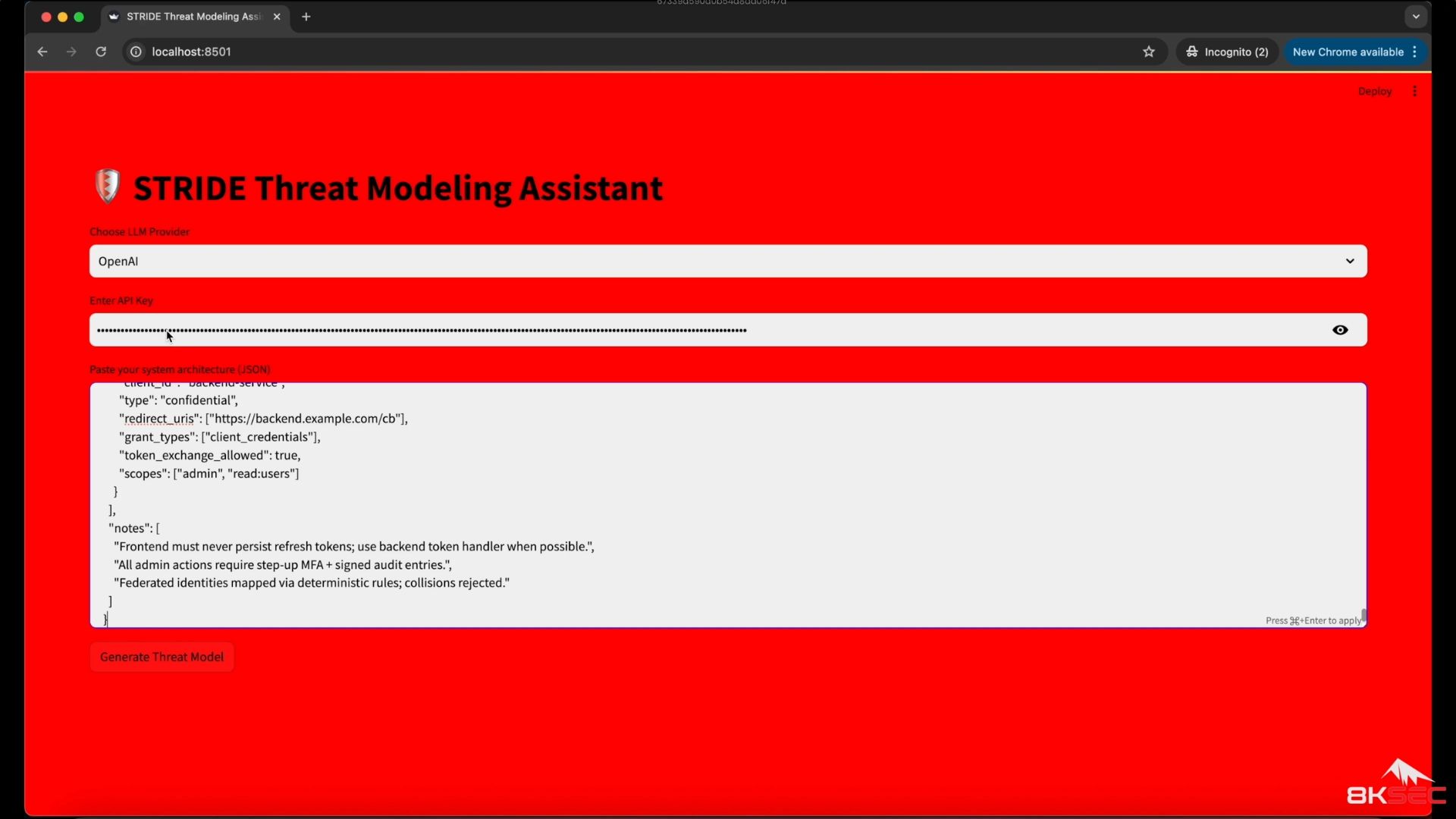
- Master AI-powered Threat Modeling using STRIDE methodology and understand the engineering logic of systematic threat modeling, leverage LLMs to identify threats across Spoofing, Tampering, Repudiation, Information Disclosure, Denial of Service, and Elevation of Privilege categories, and develop practical mitigations with AI assistance.
- Threat Modeling AI Applications based on STRIDE, MAESTRO's seven-layer architecture, MITRE ATLAS, and OWASP MAS applied to a real-world AI Meeting Scribe.
- AI Governance & Compliance accross EU, US and India.
- Fine-Tuning LLMs for Security with QLoRA and Unsloth hands-on
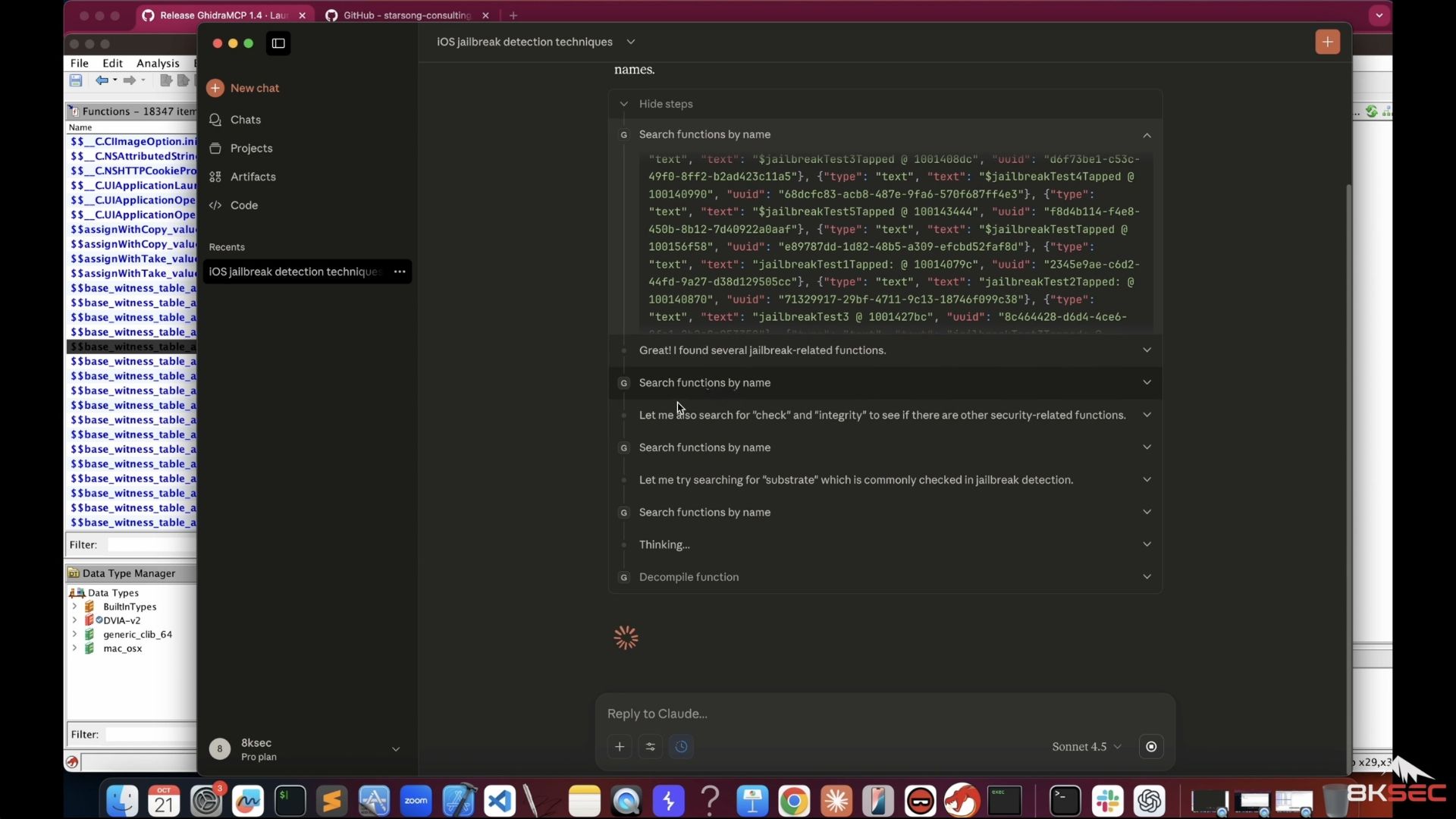
- Apply AI to enhance Security Operations and Reverse Engineering workflows using Fabric AI for knowledge mining, log parsing, email header analysis, threat intelligence processing, video knowledge extraction, breaking language barriers in security research, and integrating AI into tools like Ghidra and JADX for automated malware analysis.
- Understand and implement enterprise AI security frameworks, including comprehensive coverage of Google's Secure AI Framework (SAIF) with all 14 security risks (data poisoning, unauthorized training data, model tampering, prompt injection, model evasion, sensitive data disclosure, etc.).
- Debug, intercept, and secure MCP implementations using MCP Inspector for debugging, Burp Suite for traffic interception and modification, and apply the comprehensive MCP Server Security Cheatsheet for identifying and remediating common vulnerabilities in both custom and third-party MCP servers.
- Secure AI supply chains by pinning dependencies, verifying model signatures, understanding format risks, and detecting tampering or backdoors.
- Earn the Certified AI Security Researcher (CAISR) certification by demonstrating mastery across all course modules from foundational AI/ML concepts through advanced offensive and defensive AI security techniques in real-world scenarios.
Who Should Attend?
Prerequisites
- Working knowledge of cybersecurity and pentesting fundamentals
- Understanding of fundamental programming concepts and looping structures in at least one higher-level language used in machine learning (eg: Python, or similar)
- Date: March, 2026
- Update: Fine-Tuning LLMs for Security, Threat Modeling, and AI Governance
- Videos/Materials Included:
- New Module: Fine-Tuning LLMs for Security
- Fine Tuning LLMs Explained
- Fine Tuning Process
- Lab: Instruction Tuning LLM for Phishing Classification
- Lab: Fine-Tuning for MITRE ATT&CK Log Classification
- New Module: Threat Modeling AI Applications
- Rethinking AI Security Through Threat Modeling
- Trust Paradox and AI Attack Surface Map
- Introduction to Threat Modeling Frameworks for AI systems
- STRIDE Applied to AI Systems
- MITRE ATLAS and Adversary TTPs for AI
- Understanding OWASP MAS Threat Modeling Guide
- Deepdive MAESTRO's Seven-Layer Architecture
- A Practical Workflow for AI Threat Modeling Process
- Lab: Practical Threat Modeling for a AI Meeting Scribe Architecture using STRIDE Analysis
- Lab: Deepdive MAESTRO Analysis for AI Meeting Scribe by Layers
- Lab: MITRE ATLAS Adversary Techniques in Action for AI Meeting Scribe
- Lab: Attack Scenario Walkthrough : Corporate Espionage via Speech & Token Vault Breach via LLM
- Lab: Cross-Layer Threat Analysis for AI Meeting Scribe using OWASP MAS Guide
- Defense in Depth for AI Systems
- AI Governance and Compliance
- The AI Governance Landscape and Global Regulatory Approaches
- NIST AI Risk Management Framework
- ISO/IEC 42001 AI Management System
- Understanding EU AI Act Risk-Based Classification
- EU AI Act High-Risk AI Requirements
- EU AI Act Article 15 Security Checklist
- US Federal AI Policy Landscape
- US State AI Regulations
- India AI & Data Protection Landscape
- Pre-Deployment Security Checklist
- Operational Security Checklist
- Compliance Documentation Checklist
- Lab: Case Study of AI Hiring Assistant
- New Module: Fine-Tuning LLMs for Security
- Date: May, 2026
- Update: Glossary and Homeworks Added Across All Modules
- Date: June, 2026
- Update: CAISR Mock Exam added
Duration
-
365 days of access after purchase
Languages
-
Audio: English
-
Subtitles: English, Deutsch, Español, Français, العربية, 日本語
Technical Requirements
- Laptop with 8+ GB RAM and 40 GB hard disk space
- Administrative access on the system
Need To Justify To Your Manager?
What the Course Looks Like
Syllabus
START LEARNING
Practical AI Security: Attacks, Defenses, and Applications
-
Immediate access to materials
-
Lecture recordings and self-assessments
-
365 days of access
-
Certification of course completion
-
Certified AI Security Researcher Exam attempt
-
Dedicated email support
Buy for someone else
The course will be delivered within one business day or on a scheduled date.
The assigned learner must register on the platform to access the course.
Unlock Job Opportunities
AI Security Engineer*
A Tech Giant Company
$136,000 – $212,800 a year
Required Qualifications
- Bachelor’s degree in Computer Science or a related field
- 2+ years of combined experience in areas such as threat modeling, secure coding practices, identity and access management, authentication, cryptography, or network security
- Familiarity with GenAI technologies and related security risks, along with mitigation strategies such as penetration testing and exploit development (or equivalent expertise)
Offensive AI Security Tester*
IT Services Provider Firm
$114,400 - $124,800 a year
Required Qualifications
- 5+ years of relevant professional experience
- Practical expertise in adversarial testing of GenAI systems (e.g., jailbreaks, prompt injections, input–output evaluations, data exfiltration) and delivering actionable mitigation steps
- Solid understanding of ML/GenAI concepts (LLMs, embeddings, diffusion models) and adversarial ML techniques (such as model extraction, data poisoning, and prompt manipulation)
Adversarial Prompt Expert*
IT Services Provider Firm
Up to $80 per hour, part time
Required Qualifications
- Extensive hands-on experience with LLMs, both open- and closed-source, and comfort experimenting across different platforms
- Strong background in prompt engineering and jailbreak techniques, including evasion strategies and innovative approaches to bypassing model safeguards
- Adversarial and security-oriented mindset, with additional value placed on red teaming or offensive security experience
*This is a compiled job description based on actual postings from LinkedIn and Indeed.
Created by
8kSec Academy
FEATURED LINKS
POLICIES
CONNECT WITH US
-
Twitter
-
LinkedIn
Live Trainings list:
Lead Application Penetration Tester*
A Cybersecurity Testing & Consulting Firm
$150,000 - $180,000 a year
Required Qualifications & Skills
- Bachelor’s degree in Computer Science, Software Engineering, or related field, or equivalent job experience
- Thorough security testing of developer workflows and mobile applications (iPhone and Android), including identification of security issues and vulnerabilities
- Proficiency in multiple programming languages and understanding of secure coding practices
- In-depth source code reviews to identify security flaws or weaknesses that could be exploited in software applications
- Detailed assessments and compilation of findings into reports for further review and action
- Experience with tools like Burp Suite Pro, Checkmarx, Corellium, Synopsys, Acunetix, VeraCode, SAST & DAST Tools, Plextrac, Cloud security (AWS / Azure / Oracle), Postman, SmartBear ReadyAPI, SoapUI, and Hashicorp Vault
Key Responsibilities
- Team Leadership: Lead and mentor penetration testers, ensuring high-quality security assessments
- Mobile & DevOps Security: Conduct security testing of mobile apps (iOS/Android) and integrate security into DevOps pipelines
- Code & Penetration Testing: Perform source code reviews and comprehensive web/mobile penetration testing
- Reporting & Collaboration: Document findings in detailed reports and collaborate with development teams for remediation
- Offensive Security: Execute red team exercises and offensive security operations
- Security Strategy: Develop and implement security testing strategies and best practices
- Global Collaboration: Work with global teams to secure applications
- Automation: Automate security testing within CI/CD pipelines
iOS Application Security Engineer*
A Cyber-Risk Consulting Firm
$150,000 - $200,000 a year
Required Qualifications & Skills
- Proficiency in iOS frameworks (UIKit, Core Data) and Android frameworks
- In-depth knowledge of mobile security vulnerabilities (OWASP Mobile Top 10) and remediation techniques
- Familiarity with mobile security testing tools (e.g., MobSF, Drozer, Burp Suite, OWASP ZAP)
- Extensive experience in iOS application development using Swift/Objective-C, ideally also knowledge of Android (Java/Kotlin) security
- Strong understanding of cryptography principles, secure data storage, and key management
- Experience with mobile reverse engineering tools such as Frida
- Knowledge of App Store and Google Play Store compliance requirements
- Familiarity with advanced encryption techniques and secure app distribution
Key Responsibilities
- Security Architecture & Threat Modeling: Design secure architectures, perform threat modeling, and ensure compliance (OWASP, PCI DSS, NIST)
- Code Reviews & Auditing: Conduct code reviews, participate in security audits, and perform SAST/DAST
- Vulnerability Management & Penetration Testing: Manage vulnerabilities, conduct penetration tests, and analyze threats
Specialist, Offensive Android Security*
A Tech Giant Company
$151,200 - $207,500 a year
Required Qualifications & Skills
- Proficiency in tools for kernel debugging, fuzzing, and penetration testing
- Experience with reverse engineering tools (e.g., IDA Pro & Ghidra), debugging tools (e.g., JTAG/SWD)
- 5+ years of experience in system-level penetration testing and vulnerability research
- Strong knowledge of low-level programming languages such as C and Assembly
Key Responsibilities
Kernel Security Researcher*
$143,100 - $264,200 a year
Required Qualifications & Skills
- Background in secure coding and code auditing
- Knowledge of modern anti-exploitation mitigations and their effectiveness
- Programming background in C, C++, and Python
Preferred Qualifications:
- Knowledge of macOS and iOS security architectures
Key Responsibilities
Mobile Reverse Engineer*
$88,200 - $195,200 a year
Required Qualifications & Skills
- 5+ yrs experience in mobile software reverse engineering
- Experience with Windows, Linux, Android, OS X, and iOS operating system & architecture
- Experience in computer or cell phone architecture, system internals, operating systems, and/or boot process software engineering
Experience with static analysis tools such as IDA Pro, Ghidra and Binary Ninja
- Experience with debugging tools such as WinDbg
- Experience with virtualization, sandboxing, and emulation tools like VMware, KVM, QEMU and others
- Working knowledge of programming languages such as C, C++, .NET, Python, Java, etc.
- Experience debugging mobile application memory and performance issues
Preferred:
- Experience requiring a deep knowledge of Android and a strong passion in mobile industry and mobile development
- Experience developing/designing mobile phone platforms highly desired
- Experience in wireless API's (Wi-Fi, Bluetooth) preferred
- Engineer software scripts in C, C++, and Java with emphasis on prototyping and API extraction
Key Responsibilities
- Research new trends, techniques, and packaging of malicious software to stay current and ready to identify and handle zero-day exploits
- Research behavior of binaries and share detailed understanding of how apps behave at memory/register level in support of technical exploitation operations
- Support efforts to design, prototype, document, test, conduct exploitation automation and transition code analysis methods and tools specific to technical exploitation operations
Senior Lead Security Engineer - Mobile*
$147,700 - $190,000 a year
Required Qualifications & Skills
- Strong understanding of mobile application security risks and mitigation strategies for both Android and iOS platforms
- Experience in implementing or managing mobile security operations
- Familiarity with CI/CD pipelines, DevSecOps methodologies, and secure software development practices
- Ability to collaborate with development teams on security functions & resolutions
- Hands-on practical experience delivering enterprise level cybersecurity solutions and controls
- Strong collaboration and communication skills are essential for working effectively with teams on security implementations
- Ability to evaluate current and emerging technologies to select or recommend the best solutions for future state architecture & enterprise integrations
- Proven experience leading projects from scoping to delivery
Key Responsibilities
- Utilize our mobile security vendors and tools to drive proactive security measures, ensuring optimal configuration, monitoring, and maintenance to safeguard our mobile applications.
- Oversee the deployment, integration, and ongoing support of mobile security tools, ensuring they are effectively utilized and updated.
- Provide technical leadership in securing mobile applications and infrastructure, ensuring compliance with industry standards and best practices.
- Manage the lifecycle of mobile security tools, including planning and executing upgrades to maintain optimal performance and security.
- Work closely with cross-functional teams to enhance security awareness, provide training, and ensure adherence to security protocols. Additionally, serve as a key feedback conduit to the mobile binary scanning team, risk management, and source scanning teams, ensuring continuous improvements in security posture and alignment with organizational security strategies.
Reverse Engineer - Android*
$90,000 - $120,000 a year
Required Qualifications & Skills
- 3-5 years of hands-on experience with Android and reverse engineering
- In-depth understanding of Android internals and the ability to read, comprehend, and analyze source code software
- Familiarity with reverse engineering tools such as Jadx, Ghidra, Frida, IDA Pro, and Burp to perform binary and APK analysis
Key Responsibilities
To give you an idea of how this Reverse Engineer Malware Analysis - Android role would look and feel, here are some things you could expect to do:
- Review malicious applications and SDKs by analyzing, unpacking, and reverse engineering software that compromises Android devices
- Review security policy violations, vulnerabilities, or improper coding practices
- Research threats like APT using Open-Source Intelligence (Virus Total, Web, ExploitDB, MITRE, etc.)
Android Mobile Reverse Engineer*
$100,000 - $150,000 a year
Required Qualifications & Skills
- Expertise in reverse engineering tools
- Knowledge of Android internals
- Strong debugging and analysis skills
- Familiarity with encryption and obfuscation techniques
- Ability to work with disassemblers and debuggers
Desired Qualifications:
- Experience with Android emulator tools
- Familiarity with mobile penetration testing
- Experience with static and dynamic analysis tools
- Knowledge of security exploits in mobile apps
- Ability to develop custom reverse engineering scripts
- Strong communication and reporting abilities
Key Responsibilities
- Deconstruct mobile application code
- Identify and mitigate security risks
- Reverse engineer mobile app binaries
- Conduct security audits on Android systems
- Document findings and create reports
Mobile Implant Software Engineer*
$114,000 - $180,000 a year
Required Qualifications & Skills
- Demonstrated ability to perform advanced research and development on embedded systems, Linux, and iOS platforms
- Strong understanding of network protocols and experience in implementing support for TCP, UDP, and TLS
- Experience in designing, developing, and integrating modular cyber capabilities
- Proficiency in using and integrating CI/CD tools and practices
- Excellent problem-solving skills and the ability to design novel solutions to complex security challenges
- Strong leadership skills with the ability to guide and mentor development teams
- Programming Languages: C, C++, Python, Java, x86 Assembly, MIPS Assembly, Microblaze Assembly, ARM Assembly, ARM64 Assembly, VHDL, Verilog, XML, JSON, HTML
- Tools and Technologies: LLDB/LLVM, IDA Pro, Immunity Debugger, Immunity Canvas, Eclipse, Git, Subversion, Embedded Systems, FPGAs, Docker, Intel Performance Primitives (IPP), High Performance Computing (HPC), REDHAWK, OmniORB CORBA, Software Defined Radios (SDR), Signal Processing, MySQL, PostgreSQL, JDBC, Django, ActiveMQ, Jpype, Pyxb, STOMP
Key Responsibilities
- Design and implement innovative solutions to address operational security challenges
- Architect and develop flexible, modular cyber capabilities in C, C++, and Python
- Triage and analyze public software vulnerabilities (CVEs) for security concerns
- Provide technical support and custom solutions to high-priority customer needs
- Design and develop new client/server data distribution tools
- Implement support for multiple network protocols, including TCP, UDP, and TLS
- Create custom build systems and ensure portability using Docker
- Integrate new projects with CI/CD services to streamline development processes
- Generate and maintain unit tests to enhance the reliability of client/server applications
- Guide the development team in adhering to industry software engineering standards and best practices
iOS Vulnerability Engineer (Software)*
$120,000 - $170,000 a year
Required Qualifications & Skills
- Proficiency in reverse engineering tools
- Expertise in static and dynamic code analysis
- Familiarity with secure coding practices
- Proficiency in iOS development tools (e.g., Xcode)
- Ability to exploit and remediate vulnerabilities
Desired skills:
- Knowledge of ARM assembly
- Experience with fuzz testing methodologies
- Familiarity with jailbreak development
- Understanding of malware analysis techniques
- Expertise in cryptographic protocols
- Proficiency in scripting for automation (e.g., Python)
Key Responsibilities
- Develop mitigation strategies for discovered issues
- Conduct security assessments of iOS applications
- Perform reverse engineering of iOS binaries
- Collaborate with development teams to improve software security
- Document findings and recommend improvements
Android Security Engineer*
An IT Consulting and Services Firm
$115,000 - $165,000 a year
Required Qualifications & Skills
- Static Analysis - decompilation, dissasembly, code auditing
- Dynamic Analysis - debugging monitoring, fuzzing
- Sample Tools - IDA Pro, Ghidra, Radare2, Jadx, Fernflower, Smali, Baksmalu, ADB, JDWP, Android studio, bluestack, Frida, Wireshark, Cyberchef. HTTP interception, Yara, Snort
- Programming (Java/Kotlin, Scripting, Javascript, Encode/Decode, encryption and decryption)
- Android fundamentals (permissions, Manifest, Entry points, Broadcast receivers, exported activities, services, subclasses, Dalvik/ART Virtual machine)
Key Responsibilities
- Conducting static and dynamic analysis
- Providing assessment and evidence to support findings
- Assessing detection and analysis gaps as well as scalable enforcement through detection rules
Information Security Engineer (Android)*
A Large Online Media Provider
$197,000 - $291,000 a year
Required Qualifications & Skills
- 8 years of experience with security assessments or security design reviews or threat modeling
- 8 years of coding experience in one or more general purpose languages
Preferred qualifications:
- Knowledge in programming languages, compilers, static and dynamic analysis techniques
- Experience in Mobile App Development and Android Apps
- Experience implementing sand-boxing infrastructure or low-level systems features and building static analysis tools, linters or compilers
- Experience with open source
Key Responsibilities
- Review and develop secure operational practices, and provide security guidance for engineers and support staff
- Review designs and look for vulnerabilities, both with one-time reviews and longer term engagements
- Look for vulnerabilities with techniques including reverse engineering, fuzzing, and static analysis
- Respond to vulnerabilities with repos, mitigations, and hardening. Surface vulnerability patterns and design them out.
Sr. Android Penetration Tester*
Required Qualifications & Skills
- Strong understanding of malware, phishing attacks, attack vectors, and security best practices
- Knowledge of penetration testing tools, threat modeling, and security frameworks
- Ability to conduct security research, CVE analysis, and adversary simulation
- Strong communication skills to work cross-functionally with engineering and security teams
- Experience working in corporate environments with internal penetration testing teams (preferred over agency-based consulting experience)
- Bachelor’s degree in either Cybersecurity, Computer Science, Information Security, or related field
Preferred Qualifications:
- Certifications in offensive security
- Published CVEs, blog posts, or walkthroughs on security research
- Malware development and reverse engineering experience
- Experience working in top security consulting firms or in-house red teams at major tech companies
- Hands-on experience with firmware penetration testing and IoT security.
Key Responsibilities
- Plan, scope and conduct vulnerability assessment/ Penetration test on internal / external facing public assets such as Web application, Android platform, Android Apps, Backend APIs, and Cloud services
- Research & and conduct adversary simulation for known security threats and identify novel attack vectors to test a system’s relative security readiness
- Conduct Threat modelling, Threat Intelligence and scoping with stakeholders
- Assist in creating and maintaining internal penetration testing and practice within QA team, managing vulnerabilities and tracking until closure
- Build Test harness & required Automation suites and validate attack vectors in Threat Lab
- Co-ordinate with program management, security architects at Internal & offshore sites
- Stays up to date on current tools, technologies, and vulnerabilities to incorporate into testing practices
- Research and developing exploits for zero-day vulnerabilities
- Conduct penetration test on IOT and Firmware Devices
iOS Application Security Engineer*
$125,000 - $175,000 a year
Required Qualifications & Skills
- Bachelor’s degree in Computer Science, Information Security, or a related field, or 5+ years in mobile application development
- Extensive experience in iOS application development using Swift/Objective-C
- In-depth knowledge of mobile security vulnerabilities (OWASP Mobile Top 10) and remediation techniques
- Proficiency in iOS frameworks (UIKit, Core Data) and Android frameworks
- Familiarity with mobile security testing tools (e.g., MobSF, Drozer, Burp Suite, OWASP ZAP)
- Strong understanding of cryptography principles, secure data storage, and key management
Preferred Qualifications:
- Relevant security certifications
- Experience with mobile reverse engineering tools such as Frida
- Knowledge of App Store and Google Play Store compliance requirements
- Familiarity with advanced encryption techniques and secure app distribution
Key Responsibilities
iOS Engineer - Product Security*
$143,100 - $264,200 a year
Required Qualifications & Skills
- 2+ years of iOS app development experience in Swift and/or Objective-C
- Experience and/or strong interest in security/secure programming, digital signatures and PKI
- User interface programming experience with SwiftUI and/or UIKit
- Understanding of computer science fundamentals
- Able to thrive in a reciprocal environment and clearly communicate across teams
Preferred Qualifications:
- Self-motivated, critical, and detail oriented
- Strong debugging and analytical skills
- Familiar with the ISO 18013-5 standard is a plus
- Experience developing software with any of the following frameworks is a plus: ID Verifier API , Verify with Wallet API
- BS or MS in Computer Science, related technical field or equivalent experience
AI Security Engineer*
Required Qualifications
- 2+ years of programming experience in languages like Python, Ruby, Go, Swift, Java, .NET, C++, or another object-oriented language
Key Responsibilities
- Deliver AI security training sessions and provide guidance to internal development teams
- Offer architectural and design recommendations with an AI security focus
- Shape processes, priorities, and decision-making within your team and with partners to drive stronger security outcomes
Offensive AI Security Tester*
Required Qualifications
- Solid understanding of ML/GenAI concepts (LLMs, embeddings, diffusion models) and adversarial ML techniques (such as model extraction, data poisoning, and prompt manipulation)
- Background in cybersecurity red teaming or penetration testing, with strong skills in Python and scripting for automation and test framework development
- Knowledge of AI security standards and frameworks, including NIST AI RMF, MITRE ATLAS, or OWASP LLM Top 10
- Experience with AI/MLOps tools and enterprise integrations (Azure AI, AWS SageMaker, OpenAI API, Hugging Face, LangChain, or similar platforms)
Nice-to-Haves:
- Experience integrating AI with SIEM/SOAR platforms and threat intelligence monitoring
- Background in creating reusable adversarial testing assets, scripts, and automated workflows
Adversarial Prompt Expert*
Required Qualifications & Skills
- Creativity and persistence, with the ability to explore edge cases and iterate through multiple variations
- Strong documentation skills to record tests, track outcomes, and communicate findings clearly
- Solid ethical judgment, with an understanding of boundaries and responsible handling of sensitive material
Researcher, Automated Red Teaming*
Required Qualifications
Key Responsibilities
Staff Attack Engineer, AI/LLM*
Required Qualifications
Key Responsibilities
Principal Security Architect (AI/LLM)*
Required Qualifications
Key Responsibilities